Showing posts with label diet. Show all posts

Tuesday, July 1, 2014

Banana Bread Smoothie Recipe

If you like the flavors of Banana Bread but need to keep it healthy, this Dairy Free Smoothie Recipe is a choice! This Smoothie Smart Blender crushes ice!  It has an Auto-Smoothie button that is designed to create the perfect blending action. It automatically shuts off at the end of the cycle.  My favorite thing about the Smoothie Smart Blender is the no-mess pour spout . . . I really like it!

I was also impressed with the Single Serve Personal Blender.  It crushes ice without a problem and is perfect for a rushed morning coffee or breakfast smoothie on the go.  Blend your frozen coffee or smoothie, pop on the travel lid and run out the door to start your day!

I usually add Greek yogurt to my smoothies for protein and creaminess.  But, I decided that it was time to create a Dairy Free Smoothie Recipe.
This Banana Bread Smoothie gets it’s protein and creaminess from silken tofu!  If you are not the tofu type, no worries.  Silken tofu has less flavor than Greek yogurt and it blends right into the smoothie.  You won’t even notice it’s there . . . For Real!  If you couldn’t care less about dairy free, go ahead and use Greek yogurt instead of tofu if you prefer

For this smoothie you want extra ripe bananas.  The more brown speckles the better!  So this is a great way to use up your over-ripe bananas.  If you keep bananas in your freezer I’m sure those will work too.

Ingredients

- 2 Extra Ripe Bananas (peeled)
- 1/2 Cup Silken Tofu
- 1 Cup Almond Milk
- 1/8 tsp Ground Cinnamon
- Tiny Sprinkle of Nutmeg
- 2 Tb Maple Syrup
- 1 tsp Vanilla Paste or Extract
- 1/4 Cup Rolled Oats (optional)
- 1½ Cups Ice

Instructions

- Place all ingredients into your Smoothie Smart Blender and process on the Auto Smoothie setting twice. (I processed twice to be sure the oatmeal was fully blended)
- If you are using a standard blender, process until the smoothie is smooth and fully blended.
- Pour into glasses and serve.
- Optional: Top with Non-Dairy Whipped Topping and an extra drizzle of Maple Syrup.


Banana Smoothie Recipe

Notes
- Makes 4 cups of Banana Bread Smoothie.

By WonkyWonderful
source: wonkywonderful.com

image source: stalkerville.net

Smoothie Recipe: Lime and Mint

This refreshing Smoothie Recipe is full of fresh lime and mint.  All of the great flavor of cocktail without all of alcohol and  that pesky sugar.  The perfect start to healthy new year!

After all of the holiday sweets and treats it is time for a sugar detox!  Now let’s not get crazy.  I’m not totally off my sugar high.  But I do plan on drinking more smoothies and eating less M&M’s.  Baby Steps.

The lime and mint combination tastes clean and energizing. This Mojito Smoothie Recipe is unbelievably refreshing!
Mojitos were one of my favorite cocktails.  And now this is one of my favorite smoothie flavors. This smoothie will give you nice breathe too. Bonus! Fresh mint is the star. Creamy coconut and tangy lime bring a little tropical flavor to this pool-side drink.

Ingredients

- 2 Cups Ice
- 1 Cup Plain Coconut Milk
- 2 Small Limes - Juiced
- Handful of Fresh Mint (approx 15 leaves)
- 1-2 Tb Honey*


Smoothie Recipe, Lime and Mint

Instructions

- Blend all ingredients.
- Serve & Enjoy!

Notes

* Use your sweetener of choice. I prefer using honey or Truvia.
* Servings: 1-2

So obviously, eating healthier is one of my 2014 goals.  Along with learning to play acoustic guitar and spending a lot less time on social media!

What are your 2014 goals/resolutions?

source: wonkywonderful.com
image source: couponclippingcook.com

Thursday, June 19, 2014

Three Day Diet Facts

Three Day Diet Claims that it will lower your cholesterol, increase your energy and give you quick weight loss.

The 3 Day Diet Facts

On this diet you will eat a measly 1,000 calories per day. To start to diet you follow very specific meal plans for breakfast, lunch and dinner.

The diet requires you to eat strictly the foods within the meal plans for three days. Then after the three days, you are free to eat whatever you want. Three Day Diet plan also requires you to drink four cups of water per day. Let me ask you, what do you think will happen as soon as you are off the diet? You will eat all the foods that you wanted to eat but felt deprived of. Then you will gain back all the weight you lost. And if you are like most dieters you gain even more weight than you lost when you were dieting.

Pros and Cons of the 3 Day Diet

Three Day Diet plan also promises that if you follow it the way described, you will increase your body is ability to burn fat. This is yet another claim that has no scientific basis behind it.

There is good news and bad news. If you don't like to work out, you will like that this diet does not include exercise. That's the good news about this fast diet. It makes no mention of it at all.

The bad news about the 3 Day Diet plan is that most of the weight you will lose will be 'water weight' That means you won't be losing the fat that you hope to lose. Instead you are weight loss will be fluid loss. On top of that, you are highly likely to gain back all of the 'weight' you loss on the diet.

According to the diet plan no exercise is needed while dieting. While you are on this diet you must eat only to foods in the meal plan. Otherwise, you won't lose the 10 pounds as described in Three Day Diet plan.

You must measure your food and eat the exact portion amounts recommended. Dieters are discouraged from under-eating or under-eating in any way.

Day 1

Breakfast

- Black coffee or tea, with 1-2 packets Sweet & Low or Equal
- 1/2 grapefruit or juice
- 1 piece toast with 1 tablespoon peanut butter


The 3 Day Diet FactsLunch

- 1/2 cup tuna
- 1 piece toast

- Black coffee or tea, with 1-2 packets Sweet & Low or Equal

Dinner

- 3 ounces any lean meat or chicken
- 1 cup green beans
- 1 cup carrots
- 1 apple
- 1 cup regular vanilla ice cream
Day 2

Breakfast

- Black coffee or tea, with 1-2 packets Sweet & Low or Equal
- 1 egg
- 1/2 banana
- 1 piece toast
Three Day Diet Facts
Lunch

- 1 cup cottage cheese or tuna
- 8 regular saltine crackers

Dinner

- 2 beef franks
- 1 cup broccoli or cabbage
- 1/2 cup carrots
- 1/2 banana
- 1/2 cup regular vanilla ice cream

Day 3

Breakfast

- Black coffee or tea, with 1-2 packets Sweet & Low or Equal
- 5 regular saltine crackers
- 1 ounce cheddar cheese
- 1 apple

Lunch

- Black coffee or tea, with 1-2 packets Sweet & Low or Equal
- 1 boiled egg
- 1 piece toast

Dinner

- 1 cup tuna
- 1 cup carrots
- 1 cup cauliflower
- 1 cup melon
- 1/2 cup regular vanilla ice cream

Being on The 3 Day Diet

As soon as I read the list of foods in the 3 Day Diet plan I knew there would be some issues. Day one tells you to have coffee or tea with one to two packets of an artificial sweetener as a part of breakfast.

Here is the scoop on artificial sweeteners. They are chemically-induced, lab created sweeteners. If that was'n it so bad, artificial sweeteners also make you hungrier and crave more food. Plus they have been known to lead to all kinds of neuropsychiatric disorders and life-threatening illnesses like:  anxiety, panic attacks, mood changes, depression, migraines, memory loss, vertigo, Alzheimer's, brain tumors.

It hard to trust any diet that recommends that the dieter eat artificial sweeteners. That alone had me wondering about the 3 Day Diet. But still I pressed on.

To wrap up this 3 Day Diet review, I'll say that's it not a diet that I'll ever be back on again. On this diet, there were several times where I didn't feel like eating every morsel that I had measured out.

There were also times that I wanted to eat more of certain foods than the diet allowed. I craved more food than before. I was craving the foods that I actually wanted to eat but were restricted from this very limited diet.

About the Author

Trinise L. Castro is a Transformational Leader and Lifestyle Coach who has helped thousands of people experience powerful and lasting change.

As the Creator and Editor of FreeLoseFatGuide.com, Trinise uses leading technology to teach individuals the art of eating smart to lose weight and staying healthy.

Trinise is an Access Consciousness Bars Facilitator and Body Facilitator with the innate awareness of how to tap into what a body needs, how to facilitate giving the body what it desires and how to support that transformation.

Being dedicated to helping people feel comfortable and confident in their bodies, Trinise L. Castro has teamed up with Isabel De Los Rios-one of America's top nutrition experts, educators and the author of TheDietSolutionProgram.

sources: freelosefatguide.com

Sunday, June 15, 2014

Mint Mojito Smoothie Recipe

Three days deep into daylight savings, those! Have you kaput made known your kilt, Ray Bans, deck furniture, and margarita glasses? One superfluous hour of daylight and already I’m fantasizing in this area laying on the beach with my snorkel mask on and cocktail in-hand. Except by “laying,” I mean “riding,” by “beach,” I mean “mountain bike,” by “snorkel mask,” I mean “helmet,” and by “cocktail,” I mean “water bottle.” So in effect, I’m equipped for summer, I dunno in this area you’uns.

If you be inflicted with a strong link with your blender, there’s a distinguished opportunity you’ve dabbled into the cocktail fusion smoothie. Fresh herbs, zesty, creamy island flavors all up in your smoothie stash? Sonofabeehive, let’s blend a mocktail smoothie! It’s a cocktail that’s not a cocktail since it’s alcohol-less (virgin)…and it comes in the form of a smoothie (breakfast). The smoothie that’s undergoing an identity predicament (seeking therapy). The cocktail with the intention of has made it through both the 12-step curriculum AND all the Weight Watchers meetings (what a champ). Okay, I’m made.

Anyhoo, while I was rising smoothie recipes for my cookery book, Delicious Probiotic Drinks, I had a fine ol’ calculate experimenting with everything from mocktail smoothies to the Chocolate Beetroot Smoothie to the Superfood Green Smoothie, from the window to the wall…

And since I’m OBSESSED with coconut milk in all its creamy coconut-y magnificence, lone of the recipes I built-in in my tome is this exact Mint Mojito Smoothie. The lime, the coconut, the banana, mint…It’ll hang with you on the beach (it’s lazy)…or in your fill up bottle (it’s versatile). If you aspire, you can deposit alcohol in it (encouraged).
Mint Mojito Smoothie Recipe
The those ended by Food Fanatic are sharing my Mint Mojito Smoothie recipe now AND they’re giving away three copies of my cookery book. Slingshot physically aptly on ended here, make physically approximately smoothie, and enter the giveaway so you can get on to all sorts of genuinely fermented probiotic drinks!
Ingredients

- 2 bananas, overripe and frozen
- 12 mint leaves, fresh
- 1/2 cup plain kefir
- 1/2 cup coconut milk, full fat from the can
- 1/2 cup almond milk
- 1 tablespoon fresh lime juice
- 1 tablespoon agave syrup

Directions

- Add all ingredients to a high-powered blender, and blend until smooth. Enjoy!

sources: theroastedroot.net

Saturday, June 14, 2014

3 Tips for Slim Fast Diet

When you are looking for tips for slim fast diet to lose weight fast then you have to look for people who are safe and effective. Forget about weight loss first. You should focus on finding a fast diet that will give maximum results without going through extreme measures. Effective weight loss is not about how fast you lose weight. It is about how you lose weight and what you do to maintain it. So just commit to a healthy diet plan, then you will see results quickly.

You should know that losing weight can be a challenge. But fast diet is not only easy to follow, they will also provide quick results before you know it. What is required of you is a healthy attitude to go with a healthy diet.

Here are some tips for slim fast diet to lose weight that has been proven safe and effective. Tips for slim fast diet to lose weight fast

Tips for slim fast diet 1: Choose your carbs

Your body needs carbohydrates for energy. So do not go on a diet free of carbohydrates. But do not just focus on quantity. It is also important to focus on the quality of the food you eat. So choose the type of carbohydrates that you eat while controlling your carbohydrate intake. Going to pick healthy carbohydrates that have a high nutritional value. Good carbs are found in your favorite fruits, whole grain breads, organic foods etc.. Stay away from bad carbs or refined carbohydrates that offer very little nutritional value. 
slim fast diet
Tips for slim fast diet 2: High fiber foods

With a high fiber diet you can control the amount of calories that you eat. Fiber is a complex carbohydrate that can not be digested. It is also naturally heavier in the stomach, so you will feel full when you eat less. Fiber also improves digestion and lowers the risk of certain diseases as well. You can never go wrong with a fiber when it comes to health and weight loss. So make a list of the most natural healthy foods fibrous now and start incorporating them into your diet!

Tips for slim fast diet 3: Eat small

Many people seem to think that by reducing their calorie intake as much as they can, they will lose weight. However, the fact is that when your body does not have enough calories to burn, it will store calories as fat. Eat small meals in a day will provide constant stimulation of metabolism to burn calories and you do not have to feel hungry. You can start by dividing your meals into 4 to 6 small meals in a day. And make sure that you cut out unhealthy foods.
Tips for Slim Fast Diet
If you want to succeed in a fast diet tips to lose weight then you should not be tempted to overeat. Eat more food, does not mean eating more. You need to control your calorie intake so as to create more foods that make you go throughout the day.

Just by taking one of the fast diet tips above, then you will go to weight loss success. But you can get the best results if you combine all 3 tips together. You can eat small meals rich in carbohydrates, fiber and healthy. Combining all three of these tips will maximize your weight loss and you will see results faster.
It felt to this day quite the discussion of diet tips to lose weight fast. Hopefully this can be useful for those of you who are trying to lose weight.
slim fast diet natural
image credit:shutterstock

Did we forget a Tips for Slim Fast Diet that worked for you? Tell us in the Comments, below!

Green Smoothie Recipe: Debloating Smoothie

Green juice permanently sounds Clever in theory - until you toss it made known with three sips because it tastes like lawn. But green juice really can be skilled if you get on to it aptly. Try lone of these ten recipes and you'll be downing lone day after day.

Debloating Smoothie

Perfect for the morning with a night made known, this green smoothie is packed with ingredients to de-bloat you and make you feeling great.

This smoothie has everything to help you make a flat tire tummy. Now don’t solely drink this and think you’re bloating will energy away, their are other things you need to sort out too, at this time are a hardly any things with the intention of you shouldn’t sort out if your bloated!

- Don’t Chew Gum
- Don’t Drink from a Straw
- Don’t add salt to food
- Don’t Drink or consume too much Dairy, such as Cheese, Milk & Ice Cream (1 cup of milk is enough)
- Limit the use of Sugar Substitutes and Sugar Alcohol
- Don’t Drink Bubbly Drinks including soda or carbonated water
- Don’t eat to many carbs in the evening
- Don’t eat Beans (we all know what beans do)
- Don’t eat Cabbage, Broccoli, Onions, Brussels Sprouts, Mushrooms, and Artichokes

So could you repeat that? Does my magically smoothie contain to get on to it debloat you? Just a hardly any unadorned ingredients! Banana, Strawberries, Pineapple, Spinach and Coconut Milk. That’s it!!! It’s naturally sweet, thick and you DO NOT taste the spinach. I gave it to my Husband and the smoothie scared him. I understood solely try it and he was pleasantly surprised on how skilled it is.

Here is what all of the ingredients do for you.

* Banana – It provides potassium and regulates and can help regulate your body’s sodium levels.
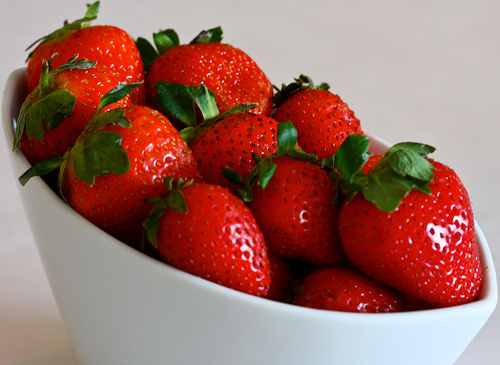
* Strawberries  - Provides fiber and can help promote digestion and fight bloating. Strawberries are also high in vitamin C.
* Pineapple - It boasts a high-water concentration that will help to flush excess fluids from your system. They also contain enzymes that help you better digest protein.
* Spinach – Provides fiber intake can help prevent and combat bloating, plus it helps you get  clearer skin, improved immune system and more. It’s not a Super Food without good reason.
* Coconut Milk – it’s a natural diuretic, provides potassium and electrolytes.


Here are a few things you can do if you do feel bloated or um, a little gassy

- Move around, yes we don’t like to move when were bloated, but the movement moves the gas right out of you.
- Drink lots of water!  Water will get rid of the sodium, fill you up and it’s just good for you!
- Eat oatmeal or quinoa!  These are two carbs that will provide fiber, releases slow sugar to help lower your glycemic index.
- Eat high potassium foods like bananas, nuts, tomatoes, spinach and asparagus.
- Drink peppermint or chamomile tea, they both sooth a stomach.
- Drink water with a lemon, this will naturally detoxify your kidneys.  I drink this every morning before my coffee.

Ingredients

- 1/2 a medium banana, frozen
- 1 cup strawberries,frozen
- 1 cup pineapple, frozen
- 1 handful spinach, fresh
- 11/4 cups coconut milk from carton (do not use canned coconut)

Instructions

- Place everything in the blender and blend until smooth.

Notes

Calories per 2 cups: 123, Fat: 3.4, Cholesterol: 0, Sodium: 112 Potassium: 339, Carbs: 23, Fiber: 3, Sugar: 14, Protein: 1.6

Well I hope today’s smoothie helps you feel skilled! Whether you be inflicted with balloon or looking pro a skilled smoothie to help kick-start your Monday, this is lone with the intention of will sort out it pro you!  Now this week, if you get on to everything I am vacant to share with you, you will beyond doubt need this smoothie!  I be inflicted with lots of goodies with the intention of I made ended blessing break and I can’t pass the time to share them with you!

Have a wonderful day! sources: peanutbutterandpeppers.com

Friday, May 9, 2014

Benefits Of Wheatgrass

Wheatgrass is the name given to young wheat plants, when they are at the same height as ordinary grass. Wheatgrass has been proved to be an extremely healthy food supplement, as it contains 98 of the 102 minerals. It is contains 19 amino-acids, which are said to be the building blocks of the body. It is also a rich source of vitamins, chlorophyll and enzymes, essential for human growth and sustenance.

A dark green liquid, which can be derived from this plant, when consumed on a regular basis, can be extremely beneficial for health and immune system. Just a few grams of wheatgrass powder offer the same quantity of essential nutrients to the body, as that of a spinach salad weighing 50 grams. Surprisingly, just one teaspoon of wheatgrass is richer in vitamin-C than one whole orange and the vitamin-A content of wheatgrass is twice as that of carrots. Apart from these great nutritional values, wheatgrass also has immense healing capabilities as well. Read on and know more about the magical properties of wheatgrass.

Health Benefits Of Wheatgrass

* Wheatgrass possesses great energizing potential. Two ounces of wheatgrass juice is found to have the same vitamins and minerals content as that of 3 pounds of organic vegetables, or two cups of coffee.

* Wheatgrass juice also carries some of the most essential nutrients. It is a rich source of vital minerals like zinc, iron, phosphorus, potassium, magnesium, sodium, sulphur, calcium and cobalt.  Wheatgrass juice has around 70% chlorophyll. This chlorophyll gets converted into hemoglobin which then boosts the red blood cells count. This, in turn, increases the oxygen carrying capacity of the blood which ensures that all the body parts get adequate quantity of oxygen and nutrients. It is also found to be advantageous in case of fluctuating blood pressure.

* Wheatgrass is also high in proteins and contains several enzymes. Some of the essential enzymes that are found in wheatgrass are; Protease, which is beneficial in protein digestion; Cytochrome Oxidase, which is an anti-oxidant; and Amylase, which is effective in boosting the digestive process. In addition to these, it also contains amino-acids like Lipase, Transhydrogenase, which are crucial for the strength of the heart muscles as well as Superoxide Dismutase (SOD), highly critical for healing the damage caused by sun’s radiation.

* Wheatgrass is rich in Vitamin B, C, E and carotene. All of these are highly efficacious in wiping out free radicals from the body. With sufficient saponin content, wheatgrass also boosts the lymphatic system of the body. Being anti-bacterial, it detoxifies the body by flushing away deleterious toxins from the body cells. It is also capable of crushing the hardened mucous. Drink wheatgrass juice on empty stomach to keep your organs feeling fresh and rejuvenated. To gain the maximum benefits, try to include it in your regular diet.

* Amino acids, also referred to as the ‘building blocks of protein’, are found in high quantity in wheatgrass. Amino acids are crucial for human growth and reproduction of the cells within the body. Amino acids such as arginine, serine, absenisic, lysine, aspartic acid, glycine, alanine, methionine, leucine, tryptophane, phenylalanine and valine etc., are found in wheatgrass in adequate quantities. Thus, it is extremely essential for fitness enthusiasts to include wheatgrass powder or juice in their daily diet.

* When applied externally, wheatgrass can offer relief from itching in no time. It has also been proven to be effective as a disinfectant and restores natural colour to sun-burnt skin. Wheatgrass can be beneficial in combating hair related discrepancies also and can soothe itchy and scaly scalp. Rub wheatgrass on your scalp and see the benefits. Moreover, wheatgrass is also efficacious in healing burns, scrapes, rashes, cuts, poison ivy infection, insect bites, boils, athlete's foot, sores and open ulcers.

* It is also effective in restoring the alkalinity of the blood. As it is rich in alkaline minerals, it helps in curbing the acid content of the blood. Consumption of wheatgrass also heals internal pains. Wheatgrass is widely used for the treatment of peptic ulcers, constipation, ulcerative colitis and diarrhea.

* Consumption of wheatgrass can even slow down the process of aging. It tightens up loose skin. It contributes towards making your nervous system stronger and increases mental clarity and also contributes towards improving eyesight.


* Did you know that wheatgrass can create a healthy atmosphere around you? All you need is some land or pots around you to place wheatgrass in; it purifies the air around you and offers you the benefits of a healthy life.

To derive maximum benefits, make sure that wheatgrass is absolutely organic. It is also important to consume it raw, without blending it with other flavors. Include this magical herb in your daily diet as soon as possible to discover a whole new level of health and wellness.

sources: lifestyle.iloveindia.com

Saturday, April 26, 2014

Changing Your Diet To Lower Blood Pressure

High blood pressure, also known as hypertension, is a serious and common condition that can lead to life-threatening diseases such as heart attack, stroke, heart or kidney failure, and more. Blood pressure is measured by two numbers: the top number is the systolic pressure (when the heart is pumping blood) and the bottom number is the diastolic pressure (when the heart is at rest). A normal blood pressure number is below 120/80, prehypertension is diagnosed between 120/80 – 139/89, Stage 1 hypertension is between 140/90 – 159/99, and Stage 2 hypertension is blood pressure above 160/100.

By addressing underlying issues with diet and lifestyle changes, you may be able to reduce your blood pressure without resorting to drug treatment. This article will address six dietary changes you can make to help lower your blood pressure naturally.

These 6 simple diet changes can help lower your blood pressure without using drugs.

High blood pressure, also known as hypertension, is a serious and common condition that can lead to life-threatening diseases such as heart attack, stroke, heart or kidney failure, and more. While 1 in 3 American adults have high blood pressure, this condition only affects 3% or less of hunter-gatherer populations that are following a traditional diet and lifestyle. (1, 2) This would suggest that hypertension is a disease of poor lifestyle choices, and one that can be effectively treated using simple diet and behavior changes, as well as strategic use of herbal remedies.

Blood pressure is measured by two numbers: the top number is the systolic pressure (when the heart is pumping blood) and the bottom number is the diastolic pressure (when the heart is at rest). A normal blood pressure number is below 120/80, prehypertension is diagnosed between 120/80 – 139/89, Stage 1 hypertension is between 140/90 – 159/99, and Stage 2 hypertension is blood pressure above 160/100.

While most doctors prescribe drug treatment when a patient has reached the prehypertension stage, there is no evidence to support pharmaceutical treatment in these patients. (3) But this doesn’t mean hypertension shouldn’t be addressed. Much like high cholesterol, elevated blood pressure (even in the prehypertension stage) is a sure sign of other problems going on in the body.

By addressing underlying issues with diet and lifestyle changes, you may be able to reduce your blood pressure without resorting to drug treatment. This article will address six dietary changes you can make to help lower your blood pressure naturally. (That said, medication should always be considered if these changes are unable to lower your blood pressure adequately.


These 6 simple diet changes can help lower your blood pressure without using drugs.

1. Reduce excessive carbohydrate intake, especially refined carbs and sugars.

One of the most significant contributors to high blood pressure is high blood sugar and insulin resistance. (PDF) Some evidence suggests that pathological changes in glucose and insulin metabolism significantly affect the development and clinical course of hypertension, and thus should be primary targets for dietary intervention. Chronically high blood sugar, hyperinsulinemia, and high triglycerides are far more common in individuals with hypertension than those with normal blood pressure, and one of the major contributors to all three of these conditions is an excess intake of carbohydrate, particularly refined grains and sugars. (4, 5, 6)

Additionally, excess intake of sugar-sweetened beverages like soda, sweet tea, and other sugary drinks has been shown to directly influence blood pressure. (7, 8) Cutting out these beverages should be the first step in any hypertension treatment, and can also help with shedding excess weight and reducing high blood sugar – both issues that further contribute to hypertension. And don’t think switching to Diet will help either, since artificially-sweetened beverages also contribute to hypertension. (9)

While some research has suggested that high fructose intake may increase blood pressure, other research shows that fructose itself is not the problem; rather, it is the consumption of excess total carbohydrate that is the major issue. (10, 11, 12, 13) This means you shouldn’t be concerned with eating modest levels of naturally-occurring fructose, like that from fruit and honey, as these foods are healthy in the context of a moderate carbohydrate diet. Be sure to adjust your carbohydrate intake to your needs and health goals, and get your carbohydrates from nutrient-dense whole foods like fruits and starchy vegetables.

2. Increase intake of beneficial minerals like potassium, magnesium, and calcium.

While most conventional medical professionals will recommend sodium restriction as the primary method for blood pressure reduction, it appears that focusing on eating foods rich in other macrominerals is more beneficial than strictly focusing on avoiding sodium. (14, 15, 16, 17) More important than overall sodium intake is the sodium-to-potassium ratio; thus, eating a high-potassium diet is a better strategy than eating a low-sodium diet. Further, as Chris has shown in his series on the salt myth, restricting sodium to the levels recommended by the American Heart Association may actually be causing more harm than good.

I’ve included a chart of the Paleo foods richest in potassium to help guide you in increasing potassium intake (this chart is from the bonus chapter on hypertension from Chris’s new book, Your Personal Paleo Code). Those with hypertension should aim to get at least 4,700 milligrams of potassium per day. If you have hypertension and are unsure about the adequacy of your potassium intake, I recommend using a food diary for 3 days and analyzing your average potassium intake.


Also, don’t go too low carb when reducing your carbohydrate intake – many of the best sources of potassium and magnesium are starchy vegetables like white and sweet potatoes, or fruits like plantains and bananas. White potatoes are especially good sources of blood pressure-lowering minerals like potassium and magnesium; hypothetically you could eat three large baked potatoes per day to easily meet your potassium needs while only consuming around 180 grams of carbohydrate. While eating a potato at each meal isn’t necessary to get adequate potassium, I do think those who eat “strict” Paleo should consider reintroducing white potatoes if tolerated.

Also, those eating “strict” Paleo may be missing out on significant sources of calcium from dairy products, and calcium intake is another important predictor of high blood pressure and cardiovascular events. (18, 19) If you’re not eating dairy products, be sure to eat plenty of bone-in fish, leafy greens, bone broth, and nuts to make sure you’re getting adequate calcium. Keep a 3-day food diary to check on your intake; if you’re falling short of the minimum 600 milligrams per day, you can try adding bone meal to soups or stews to boost your calcium intake.

3. Eat grass-fed dairy products like ghee, butter, and cheese.

Beyond being a good source of calcium, full-fat grass-fed dairy has another contribution to the treatment of hypertension: vitamin K2. While this nutrient is hardly discussed by conventional medical professionals, preliminary data suggests K2 may be one of the most important nutrients to include in a disease-preventing diet. (20, 21, 22) Vitamin K2 may be protective against osteoporosis, cardiovascular disease, cancer, and more, so it’s definitely a nutrient you should be looking to get enough of no matter what your health situation.

Vitamin K2 may also be protective against hypertension. While there haven’t yet been any studies directly measuring K2’s effects on blood pressure, logic would suggest that this nutrient could help prevent high blood pressure by reducing vascular stiffness and arterial calcification. (23, 24, 25, 26, 27) High serum calcium levels are related to hypertension, and vitamin K2 (along with adequate vitamin D) is crucial to ensure that calcium is deposited in the bone where it belongs, and not in the arteries where it can cause vascular stiffness and calcification, leading to hypertension and heart disease. (28, 29, 30)

One of the most well-tolerated foods high in vitamin K2 is grass-fed ghee. Pure Indian Foods is my favorite brand of ghee, but you can also eat butter, cheese, and full-fat yogurt or kefir from grass-fed cows to get adequate K2. (Fermented dairy may actually have independent effects on hypertension as well. All the more reason to drink full-fat kefir!)

If you’re completely dairy intolerant or allergic, you can supplement with vitamin K2. My favorite supplement is one that contains the three fat soluble nutrients, A, D, and K2, in balanced form, which is the way these vitamins must be taken to support optimal health. If isolated nutrients aren’t your style, you can also take the fermented cod liver oil and butter oil blend by Green Pasture, which provides these three nutrients in a food-based form (though this is not appropriate for those who are allergic to dairy).

4. Eat at least one pound of fatty fish per week.

Fatty fish is high in essential omega-3 fats, and these fats have been shown to reduce the risk of hypertension and cardiovascular events in multiple studies. (31, 32, 33, 34) A meta-analysis demonstrated that fish oil supplementation may significantly reduce both systolic and diastolic blood pressure. (35) However, taking fish oil supplements to get your omega-3 fats is not an ideal strategy, since some studies suggest that high doses of fish oil may increase cardiovascular and total mortality, especially when used for more than four years. (36, 37)

The many benefits of fatty fish for promoting overall health are hard to argue against, and those with high blood pressure may especially benefit from including more fish in their diet. Also, certain fatty fish like halibut and wild salmon are high in potassium, as seen in the chart above. This demonstrates the benefit of choosing whole-foods over supplements when it comes to preventing disease; many foods have multiple and possibly synergistic effects that can provide significant health benefits over supplements containing their individual components. Eating one pound (16 ounces) a week of fatty fish like salmon, sardines, halibut, and mackerel is an important dietary strategy for reducing both high blood pressure and the risk of cardiovascular disease.

5. Drink tea.

Habitual tea drinking may help reduce blood pressure, as demonstrated by research mostly conducted in regions where tea is a significant component of the daily diet. (38) There are some teas that may be more effective at reducing blood pressure than others, however, and caffeinated tea may raise blood pressure in the short term. (39, 40) The following teas are ones I recommend consuming if you need to reduce your blood pressure. (If you are taking prescription medicines, talk to your health care provider before drinking these herbal teas.)

Hibiscus tea has been demonstrated to reduce blood pressure in pre- and mildly hypertensive adults. (41, 42) Hibiscus is a small tree with red flowers that are rich in flavonoids, minerals, and other nutrients. (43) Hibiscus tea has a fruity taste that makes it popular as both hot and cold beverage, and experts recommend two to three cups per day to achieve blood pressure reducing effects. I recommend making a large jug of iced, unsweetened hibiscus tea and drinking it in place of water for at least 3 cups of fluid. Add a little honey or stevia if you prefer sweetness, but this tea is delicious on its own.

Hawthorn tea may also be effective as a blood pressure-reducing beverage, and the plant has been used to treat heart disease as far back as the 1st century. (44, 45, 46) The antioxidant-rich tea may help dilate blood vessels and improve blood flow. Dosing guidelines have not been established, but three cups a day is recommended by some health professionals.

Gotu kola tea may be another helpful tea in lowering blood pressure, specifically in the case of venous insufficiency. (47, 48) It is believed that gotu kola might assist in the maintenance of connective tissue, which strengthens weakened veins and helps improve circulation. Again, three cups daily is the current recommendation for this tea.

Finally, oolong and green tea may be beneficial for lowering high blood pressure. One study of more than 1,500 subjects showed that drinking one half to two and a half cups of oolong or green tea on a daily basis can lower a person’s risk of hypertension by 46 percent. (49) As you can see, there are many different teas that can benefit those with high blood pressure, so find one or two you like and drink them regularly.

6. Eat more beets.

Some researchers hypothesize that a major reason the DASH diet is beneficial for lowering blood pressure is that the content of inorganic nitrate in certain vegetables and fruits provides a physiologic substrate for reduction to nitrite, nitric oxide, and other metabolic products that produce vasodilation, decrease blood pressure, and support cardiovascular function. (50)

So take a page out of the Dwight Schrute handbook and eat your beets! Beets are high in nitrates, which, as suggested above, may reduce blood pressure by improving vasodilation. Other foods high in nitrates include celeriac, Chinese cabbage, endive, fennel, kohlrabi, leek, parsley, celery, cress, chervil, lettuce, spinach, and rocket. (Ironically, bacon is another source of dietary nitrate…)

Beet juice in particular has been shown to lower blood pressure in multiple studies. (51, 52) So if you have a juicer, try making some fresh beet juice to drink on a regular basis. If you’re looking for an even healthier form of beet juice, you can also drink beet kvass, which provides probiotics in addition to hypertension-fighting nitrates. It’s an acquired taste for sure, but one that might be helpful to acquire if you’re suffering from hypertension that hasn’t responded to a healthier diet and/or weight loss.

Of course, there are many more recommendations for how to lower blood pressure, including strategic exercise, restful sleep, sun exposure, and meditation, yoga, or other stress management practices. There are also several different supplements that can aid in further lowering blood pressure once these dietary and lifestyle strategies have been made.

Chris has written a great bonus chapter on high blood pressure in his new book, Your Personal Paleo Code, which releases at the end of this year. (I’m so excited!) If you’re struggling with high blood pressure or other common but serious health conditions, I strongly recommend checking out this book for more information on how to address your symptoms by making nutritional and lifestyle changes that will greatly improve your overall health and wellbeing.

Now tell me – have any of you made any changes that helped reduce your blood pressure? Share your story in the comments below!

sources: chriskresser.com

Sunday, April 13, 2014

Start Losing weight

If you're overweight, losing weight will bring you a range of important health benefits. The key to success? Making realistic changes to your diet and level of physical activity that can become a part of your daily routine.

This guide can help you to start your journey towards a healthy weight. Along the way, you can monitor changes in your body mass index (BMI) using our Healthy weight calculator.

Commit to change

Modern life can make it easy to eat and drink more than we realise and do little physical activity. The result is often weight gain.

To lose weight, we need to change our current habits. This means eating less – even when eating a healthy, balanced diet – and getting more active.

Drastic fad diets and exercise regimes that result in rapid weight loss are unlikely to work for long, because these kinds of lifestyle changes can’t be maintained. Once you stop the regime, you’re likely to return to old habits and regain weight.

If you haven’t already, check your BMI with our Healthy weight calculator. If your BMI is in the overweight range, aim to achieve a weight that puts your BMI in the healthy range. If it is in the obese range, aim to lose between 5% and 10% of your starting weight. Many common snacks, such as sweets, chocolate, biscuits and crisps, are high in fat and sugar and supply calories that we don’t need. Today, swap your elevenses or mid-afternoon snack for a piece of fruit, a fruit bun or a slice of malt loaf with a low-fat spread. Aim to do the same every day: you’ve adopted your first weight loss habit. Try these 100-calorie snacks. Try to swap drinks that are high in calories for drinks that are lower in fat and sugars. Swap a sugary fizzy drink for a sparkling water with a slice of lemon. Don't forget that alcohol is also high in calories, so cutting down could help you to control your weight.

Fast walking is a way to burn calories, and you can often fit it into your daily routine. You might walk to the shops during your lunch break, or get off the bus one stop early on the way home and walk the rest of the way. Commit to this and you’ve adopted your second long-term habit. Learn more in Walking for health.
Can you make it healthier, using the foods you already have at home? Get ideas in Five healthy breakfasts.


First, plan a healthy weekly shop. Healthy, balanced meals are key to a healthy weight, and eating a balanced diet often starts with having the right foods at home. At the supermarket look out for fresh foods and healthier options. Stuck for ideas? See our Healthy recipes.

Everyone likes a treat occasionally, like a pizza or a takeaway. So this week, swap your treat for a healthier, home-made alternative as you can make lower-calorie versions of many takeaway foods at home. If you do order in, choose healthier options: see Healthier takeaways.

Next, commit to one more way to increase your level of physical activity. The right amount of physical activity for you depends on your age. It’s recommended that adults between 19 and 64 get at least 150 minutes of moderate-intensity aerobic physical activity – such as fast walking or cycling – per week, and you are likely to need more to lose weight. For more on how much activity to do and what counts as activity, see Physical activity guidelines for adults. For more ideas see our Health and fitness section and our step-by-step exercise guides for beginners.

Last, identify this week’s danger zones. Plan ahead, so that you can limit those foods. But don’t be too strict: an indulgence from time to time is fine. For more advice, see Diet danger zones.

sources: nhs.uk

Top Diets Review For 2014

With so many diet options to choose from it can be hard to find a weight loss plan to suit you.

    5:2 diet
    Dukan diet
    Paleo diet
    Atkins diet
    Alkaline diet
    Cambridge diet
    South Beach diet
    Slimming World diet
    Slim-Fast diet
    LighterLife diet
    WeightWatchers diet
    Rosemary Conley diet
    Jenny Craig diet


5:2 diet

On top of losing weight, fans claim the 5:2 diet can improve lifespan, brain function and protect against conditions such as dementia and Alzheimer’s. However, evidence on the effectiveness of the 5:2 diet is limited when compared to other types of weight loss techniques.

One 2010 study found that women placed on a 5:2 diet achieved similar levels of weight loss as women on a calorie-controlled diet and were also less likely to develop chronic diseases such as type 2 diabetes. Pros:
Cons:
BDA verdict:
If you choose to follow it, choose an evidence-based plan based on healthy, balanced eating and written by a dietitian like the "2-Day Diet". Dukan diet

The Dukan diet is a low-carbohydrate (carb), high-protein diet. There’s no limit to how much you can eat during the plan’s four phases, providing you stick to the rules of the plan. During phase one, you’re on a strict lean protein diet. This is based on a list of 72 reasonably low-fat protein-rich foods, such as chicken, turkey, eggs, fish and fat-free dairy. Unlike the Atkins diet, Dukan’s phase one bans vegetables and seriously restricts fat. The next three phases of the plan see the gradual introduction of some fruit, veg and carbs and eventually all foods. The aim is gradual weight loss of up to 2lb a week and to promote long-term weight management. Pros:
You can lose weight very quickly, which can be motivating. It’s a very strict and prescriptive diet and some people like that. You don’t need to weigh food or count calories. Apart from keeping to low-fat, low-salt and high-protein foods, there’s no restriction on how much you can eat during your first two weeks.

Cons:
At the start of the diet you may experience side effects such as bad breath, a dry mouth, tiredness, dizziness, insomnia and nausea from cutting out carbs. BDA verdict:
There’s a danger this type of diet could increase your risk of long-term health problems if you don’t stick to the rules. The diet lacks variety in the initial phases so there’s a risk you’ll get bored quickly and give up.

Paleo diet

The paleo diet, also known as the caveman diet, was Google’s most searched-for weight loss method in 2013. There is no official "paleo diet" but it is generally seen as a low-carb, high-protein diet with some variations on carbohydrate and meat intake. Advocates say the paleo diet is a long-term healthy eating plan that can help you lose weight and reduce your risk of diabetes, heart disease, cancer and other health problems. One 2008 study suggested that the paleo diet “could help reduce the risk of heart disease”. However, several limitations in the study meant it was not possible to say whether the paleo diet was any more effective than any other low-calorie diets.

Pros:
The paleo diet encourages you to eat less processed food and more fruit and vegetables. Reducing your consumption of high-calorie foods will reduce your calorie intake and help you to lose weight. The diet is simple and doesn’t involve calorie-counting. Cons:
Most versions of the diet encourage large amounts of meat, which runs counter to current health advice on meat consumption. Many versions ban dairy products and whole grains, which form part of a healthy balanced diet. Like all high-protein diets, the paleo can be expensive depending on your choice of meat cuts. BDA verdict:
The diet lacks variety so there’s a risk you’ll get bored quickly and give up. Atkins diet

The Atkins diet is a low-carb, high-protein weight loss programme. You start with a low-carb diet designed for rapid weight loss. More carbs, fruit and veg are introduced to your diet with the aim of working out what your ideal carb intake is to maintain a healthy weight for life. Pros:
You can lose weight very quickly, which can be motivating. The diet also encourages people to cut out most processed carbs and alcohol. With its diet of red meat, butter, cream, cheese and mayonnaise, it’s one of the few diets out there that appeals to men.

Cons:
BDA verdict:
Rapid weight loss can be motivating but it is unsustainable. The Atkins diet isn’t nutritionally balanced. Alkaline diet

The diet recommends cutting back on acid-producing foods such as meat, wheat and other grains, refined sugar, dairy products, caffeine, alcohol and processed foods in favour of “alkaline foods” – foods that reduce the body’s acidity levels – basically plenty of fruit and vegetables. The idea is that an alkaline diet helps to maintain the body’s acidity at healthy levels. There are different versions of the alkaline diet. Some followers adopt the "80/20 rule" consisting of a diet based on 80% fruit and veg and 20% grains and protein. Originally developed to help prevent kidney stones and urine infections by using diet to adjust the acidity levels in the urine, there is little evidence to support the diet’s more recent health benefits. The weight loss observed among followers is more likely down to eating plenty of fruit and vegetables and cutting down on sugar, alcohol and processed foods, which is standard healthy weight loss advice.

Pros:
The diet contains plenty of good healthy eating advice such cutting down on meat, avoiding sugar, alcohol and processed foods and eating more fruit and veg, nuts, seeds and legumes. This means that you will be cutting out foods you may normally eat and replacing them with healthier choices, which will also reduce your calorie intake.

Cons:
Your body regulates its acidity levels regardless of diet. BDA verdict:
The theory of the alkaline diet is that eating certain foods can help maintain the body's ideal pH balance (acidity levels) to improve overall health. But the body maintains its pH balance regardless of diet. The diet lacks evidence and some versions that advise cutting out entire food groups should be avoided. The more balanced versions of the diet provide variety and include all the food groups. If you are going to try the alkaline diet choose a balanced plan, stick to it to the letter and stay clear of supplements and other diet-related gimmicks.

Cambridge diet

The Cambridge Weight Plans are based around buying and eating a range of meal-replacement products with the promise of rapid weight loss. There are six flexible diet plans ranging from 415kcal to 1,500kcal or more a day, depending on your weight loss goal. There is also a long-term weight management programme. Pros:
Many people on very low calorie diets (VLCDs) find the weight loss to be sudden and quite dramatic. Cons:
BDA verdict:
You need to like the meal replacement products to stay with the plan. Rapid weight loss can be motivating but it is unsustainable. If you are eating fewer than 600 calories a day, you should have medical supervision.


South Beach Diet

The South Beach Diet is a low-GI diet originally developed for heart patients in the US. There’s no calorie counting and no limits on portions. You're encouraged to eat three meals and two snacks a day and follow an exercise plan. Low-GI carbs are re-introduced during phases two and three, which encourage gradual and sustainable weight loss.

Pros:
If you can avoid phase one and start on phase two, there are fewer dietary restrictions in the rest of the plan than some other popular diets. After phase one, the diet broadly follows the basic principles of healthy eating. No major food groups are eliminated and plenty of fruit, veg and low-GI carbs are recommended.

Cons:
BDA verdict:
We’re concerned that this diet promises such a large weight loss, up to 13lb, in the first two weeks. Once you get past the initial phase, the diet follows the basic principles of healthy eating and should provide the nutrients you need to stay healthy.


Slimming World diet

Slimming World’s weight loss plan encourages you to swap high-fat foods for low-fat foods that are naturally filling. You choose your food from a list of low-fat foods they call "Free Foods"', such as fruit, vegetables, pasta, potatoes, rice, lean meat, fish and eggs, which you can eat in unlimited amounts. There’s no calorie counting, no foods are banned and you’re still allowed the occasional treat. Pros:
No foods are banned so meals offer balance and variety and are family-friendly. The portion size from each food group will vary depending which plan you follow. Cons:
Slimming World doesn’t educate you about calories. Without having learned about calories and portion sizes, you may struggle to keep the weight off in the long term when you come off the programme.

BDA verdict:
While the meal plans may lack some flexibility, they are generally balanced. Slim-Fast diet

The Slim-Fast diet is a low-calorie meal replacement plan for people with a BMI of 25 and over. You can stay on the diet for as long as you want depending on your weight loss goal. Once reached, you’re advised to have one meal replacement shake a day, up to two low-fat snacks and two healthy meals. Pros:
Meal replacement diets can be effective at helping some people to lose weight and keep it off. The plan is convenient as the products take the guesswork out of portion control and calorie-counting. No foods are forbidden although you are encouraged to eat lean protein, fruit and vegetables.

Cons:
On their own, meal replacement diets do little to educate people about their eating habits and change their behaviour. BDA verdict:
If you don’t like the taste of the meal replacement products, you won't stay with the plan. LighterLife diet

The LighterLife weight loss plans combine a very low-calorie meal replacement diet with weekly counselling. LighterLife Lite, for those with a BMI of 25-30, involves eating three food packs a day plus one meal from a list of approved foods. You stay on the plans until you reach your target weight. The meal plans can lead to very rapid weight loss and you’re advised to see your GP before starting. How long you stay on the diet depends on how much weight you have to lose.

Pros:
With the meal replacements, there’s no weighing or measuring, so it’s a hassle-free approach to weight loss.

Cons:
Initial side effects of the diet can include bad breath, a dry mouth, tiredness, dizziness, insomnia, nausea and constipation from cutting down on carbs and fibre. BDA verdict:
Rapid weight loss can be motivating but it is unsustainable. If you are eating fewer than 600 calories a day, you should have medical supervision.


WeightWatchers diet

There’s no limit on the amount of fruit and most veg you can eat. The plan is designed to help you lose up to 2lb a week.

Pros:
Cons:
Some people feel pressured into purchasing WeightWatchers branded foods.

BDA verdict:
The support group approach can help keep people motivated and educate them about healthy eating. Rosemary Conley diet

Rosemary Conley’s Diet and Fitness plans combine a low-fat, low-GI diet with regular exercise. You’re encouraged to eat food with 5% or less fat, with the exception of oily fish, porridge oats and lean meat. You learn about calorie counting and portion size, which can help you sustain your weight loss beyond the programme. The diet is designed to help you lose a stone in seven weeks. How long you stay on the plan depends on your weight loss goal.

Pros:
The programme is based around calories, with a focus on cutting fat. Cons:
BDA verdict:
The diet and exercise plans offer a balanced approach to weight loss that teaches you about portion size, the importance of regular exercise for weight management and making healthier choices. Jenny Craig diet

The Jenny Craig programme has three main features: one-to-one support, a meal delivery service and tailored exercise plans. The diet adviser assesses your reasons for gaining weight and, over the course of the programme, helps you to change your behaviour. The meals and snacks are packed into single-sized portions to suit your weight loss needs. You need to add certain fresh fruits, veg and low-fat dairy products. All the meals, including snacks, are calorie-counted, portion-controlled and delivered to your door. You eat real food, receive telephone support and learn about portion size, calories and exercise, which can all help you make healthier choices beyond the programme.

If you don’t like the Jenny Craig meals then this diet won’t work for you.

sources: nhs.uk

Monday, September 2, 2013

78 Ways to Cut Fat Calories from Your Diet

Calories can be cruel. Sweat through a 30-minute workout and you can torch 200. Take three gulps of a foamy frappuccino and you're right back where you started.

But slashing those suckers can be as effortless as piling them on. We've found 78 ways you can cut 100 or more calories at a pop.

From picking the right slice at Pizza Hut to skipping the whip on your latte, they'll add up so fast, you won't miss a thing—until poof! Your love handles are gone.

At Breakfast

* Ditch the Pop-Tart for a slice of high-fiber toast with strawberry jam.
* Gotta have carbs? Split a bagel with a coworker.
* Drink your two cups of joe black. Or order a single espresso instead of your usual latte.
* Swap OJ for the real deal—one fresh orange.
* Trade a side of regular sausage for turkey.


* Top your waffles with Reddi-Whip instead of syrup (or use sugar-free).
* Skip the whip on any Caribou Coffee 16-ounce drink.
* Eat your granola from a 4-ounce mug, not an 8-ounce bowl.
* Lose the Yoplait Thick & Creamy and have a Yoplait Fiber 1.
* Order pancakes, but hold the butter.
* Scramble together 4 egg whites instead of 2 whole eggs.


At Lunch

* Leave the Swiss cheese out of your sandwich.
* Slather your bread with mustard rather than mayo and save 80 calories per tablespoon.
* Pass up croutons at the salad bar.
* Use up to 10 pumps of ranch dressing spray instead of pouring 2 tablespoons from a bottle.
* Devour a slice of Pizza Hut cheese pan pizza instead of the meat lover's variety.
* Take your iced tea unsweetened.
* Reach for a Snapple raspberry white tea instead of a Snapple raspberry iced tea.
* Stuff chicken salad into a whole-wheat pita instead of between slices of multigrain bread.
* Make your burger turkey, not beef.
* Slurp minestrone soup instead of cream of anything.
* Go bunless—shed your hamburger roll.
* Use south-of-the-border savvy: Have a quesadilla made with two 6-inch corn, not flour, tortillas.


At Happy Hour

* Nurse a single glass of wine instead of downing 2 beers.
* Ask for your rum and cokes in a highball glass. Bartenders pour an average of 20 percent less liquid into taller tumblers, so you'll swig less per round.
* Drizzle extra hot sauce, not blue cheese or ranch dressing, on your wings.
* Ordering a cocktail? Make it on the rocks instead of frozen. Slushy fruit drinks tend to be made with bottled mixers that contain added sugar and syrups.
* Blending your own? Have a daiquiri, not a piña colada.
* Pop the cap off of an MGD 64 instead of a bottle of Killian's Irish Red.
* Sip a glass of water between drinks—pacing yourself can help you cut back by a glass or more.
* Dip your nachos in salsa rather than guacamole.
* For automatic portion control, sip wine from a Champagne flute, not an oversize goblet.


On Your Snack Break

* Drink sparkling water instead of soda.
* Move your stash of Hershey's Kisses at least 6 feet away from your desk—you'll dip in half as often.
* Drain the heavy syrup from your can of fruit cocktail and then rinse the fruit with water before digging in.
* Have 1/2 cup of fresh grapes instead of that little snack box of raisins.
* Lay off the Lay's Classic potato chips and have a handful of Rold Gold pretzels.
* Munch on a bag of Orville Redenbacher's Smart Pop Kettle Korn, not Movie Theater Butter.
* Chase down the ice-cream truck for a Good Humor vanilla sandwich, not a King Cone.


During Dessert

* Stop eating when you hit the crust. The edges and bottoms of baked goods are especially caloric because they absorb the butter used to grease the pan.
* Fill your bowl with sorbet instead of ice cream—you can have an extra 1/2 cup of the former and still slash calories.
* Next time a cocoa craving hits, ditch the dish of chocolate ice cream (about 3/4 cup) for a Fudgsicle.
* Have sugar-free Jell-O instead of pudding. Better your nighttime treat jiggle than your thighs.
* Go ahead and have that piece of birthday cake—just scrape off the chocolate frosting first.
* Eat 5 meringue cookies instead of 2 chocolate chip ones.
* Pass on the à la mode and savor that brownie au naturel.
* Can the cone. Have your ice cream in a bowl.
* Top your dessert with 1/2 cup of fresh berries instead of 2 tablespoons of chocolate syrup.


In the Kitchen

* Substitute nonfat Greek yogurt for a serving of sour cream.
* Use chicken broth (low-sodium is best) instead of oil to sauté meat and veggies.
* Making homemade mac 'n cheese? Cut 2 tablespoons of butter from the recipe.
* Replace the oil or butter in cakes with Sunsweet Lighter Bake prune-and-apple mixture or any brand of unsweetened applesauce.
* Next time you make meatballs, meatloaf, or burgers, go half-and-half with ground beef and turkey.
* When preparing packaged foods that call for butter or oil, like rice and stuffing, use a broth instead.
* Swap low-fat cottage cheese for whole-milk ricotta when you make lasagna or stuffed shells.


At the Drive-Thru

* Pass up a Wendy's baked potato with sour cream and chives and chow down on value fries instead.
Amazing but true.
* Have a McDonald's cheeseburger instead of a Quarter Pounder with cheese.
* Downsize your drink: Trade a large fountain soda (with ice) for a medium.
* Go for grill marks. Order a flame-broiled chicken sandwich rather than one that's breaded (and usually fried in oil).
* Treat yourself to an ice-cream cone at McDonald's instead of Dairy Queen.
* Crunch on one Taco Bell regular taco instead of a Ranchero Chicken Soft Taco. And all the hot sauce you want.
* Slurp a cup of Panera Bread's low-fat chicken noodle soup instead of the cream of chicken with wild rice.
* Make your daily pick-me-up at Starbucks a skinny vanilla latte, not a regular.


When You're Not Cooking

* Request the lemon chicken with white rice, not fried.
* Skip the crunchy noodles with your bowl of wonton soup.
* Ask for an order of Szechuan Shrimp instead of your usual General Tso's.
* Choose the pasta with 1/2 cup of marinara instead of 1/2 cup of Alfredo sauce.
* Indulge your inner carnivore with beef stroganoff, not meat lasagna.
* Go with the baked potato (butter only), not the mashed, as your side of choice.
* Dip your dinner roll in marinara sauce instead of olive oil.
* Avoid anything breaded. Flour and bread crumbs not only add calories but also absorb more cooking oil.

sources: womenshealthmag.com

Friday, November 30, 2012

Simple Ways to Get Slim Naturally

Looking for ways to get slim naturally? If you want to lose weight, but don’t want to take diet pills or follow some ridiculous diet (cabbage, anyone?), you need to learn how people can get slim naturally, without much effort.

If you have to spend too much time to lose weight, you’re likely to give up and go back to your regular habits because they are easier. The key to losing weight and keeping it off is to learn the little tricks that make losing weight easy. Take a look at these seven simple ways to get slim naturally (say that 10 times fast!):

1. Eat five times a day, starting with breakfast. Many people try to skip breakfast, thinking that they are saving themselves some calories. This rarely works — they end up overeating at other times of the day. In the morning, your body has gone without food for several hours while you were sleeping. It needs that energy to get started. By eating five small meals each day, starting with breakfast, you’ll stoke the fires of your metabolism, making it easier to lose weight.

2. Drink more water. Surprisingly, many people reach for food when their body is actually thirsty. Water also helps your body to flush things out, helping you get slim. Drink at least 8 bottles of water per day and try to drink more if you are particularly active or it is a hot day. This will keep you hydrated.

3. Grab a piece of fruit. Before you leave your house, be sure to take an apple or banana with you. When you’re out and about, you may not have access to healthy snacks when you get hungry. This could lead you straight to the drive-through. However, if you have a piece of fruit with you, you’ll have something to hold you over until you get home.

Simple Ways to Get Slim Naturally


4. Eat slowly and stop eating before you feel full. Your brain can take up to 20 minutes to realize that your stomach is full. Because of this, you should make sure to stop eating before you eat too much. It helps if you eat slowly instead of scarfing down a full meal in 5 minutes.

5. Watch your portion sizes. Eating too much can negatively affect your plans to lose weight. When you don’t watch how much you eat, you’ll gain weight instead of losing it. People that stay naturally slim eat smaller portions.

6. Don’t drink your calories. Whether your poison is energy drinks, lattes, sugary sodas, or even juice, beverages can contain a lot of calories and they don’t make you full. Swap these out for low- or no-calorie beverages and you’ll get slim naturally.

7. Eat cake. Or chocolate. Or potato chips. Whatever “bad” snack is your favorite, it’s OK to eat it sometimes, in normal sized portions. Naturally slim people allow themselves a few indulgences because they know that this tends to prevent the overindulging that occurs when you deprive yourself.

By using the about ways to get slim naturally, you’ll be well on your way to losing weight in a healthy way!

source: fitwatch.com

Sunday, July 1, 2012

An Hour Sprint More Effective than Jogging

We've heard the adage says that "although slowly as long as the survivors". It turns out that maxim does not apply anymore when it comes to weight loss.
Run slowly (jogging) in an effort to streamline the body less effective than the sprint.

In a study conducted at the University of New South Wales suggests that the effect of running at high speed instead of just feeling tired and sore in the legs. Moreover, the weight can come down faster than just running slowly.

Run fast for a total duration of 60 minutes a week claimed the same benefits with slowly running for 7 hours. Judging from the time required, run faster will greatly save time.

In that study, 40 adult males were asked to fast track mejalani routine 3 times a week. All the participants involved are overweight, as well as the relatively young age which is about 20-something years.

In each session, participants were only asked to run as fast as possible for 8 minutes and then return to normal speed in the next 12 minutes. Although only the 8-minute short, quick run to increase the heart rate to 80-90 percent of the maximum rate.

"In the 3 times 20 minute exercise sessions each week, they only strenuous exercise for 8 minutes," said Prof Steve Boutcher, who led the study, as quoted from Indiavision.

Running at high speed settings such proven to burn fat as much as 2 kg during the observation period of 12 weeks. On the other hand, increased muscle mass of 1.1 kg weight loss so that the total could reach an average of 0.9 kg.
An Hour Sprint More Effective than Jogging


Technically, Dr Boutcher explained that scamper can stimulate the release of a type of hormone called catecholamine. This hormone stimulates the release of fat, particularly abdominal fat and visceral fat, thus more easily burned into energy.