Showing posts with label eye care. Show all posts

Monday, August 11, 2014

10 Simple Ways to Keep your Eyes Healthy

Sometimes we often forget to take care of eye health. Though the eye including the most important of the five senses in the human body. Without eyes, we can not see the beauty of the world and the faces of those closest to us. To make sure the eyes stay healthy as we age, the following are ten ways health care for the eye, as reported by eHow.

1. Eat plenty of fruits and vegetables

Carrots are loaded with beta-carotene which is helpful in maintaining eye health. That is because beta-carotene is an antioxidant that may reduce the risk of macular degeneration.

[Read: 6 Natural Ways to Treat Cataract ]

2. Avoid wearing contact lenses for more than 19 hours

This can cause permanent eye damage and discomfort in your eyes. Do not also wear glasses too long.


3. Reduce the use of eye drops

Reducing the use of eye drops. Using eye drops for red eyes may be overcome, but only occasionally. If excessive, it will actually damage the health of your eyes.

4. Use cucumber

Use cucumbers to compress your eyelids. Put a cold cucumber slices and gently over the eyelids for 10 minutes before going to bed at night to prevent swelling.

5. Wear UV protective sunglasses

Use polarized lenses, not just the darker lens. UV protective sunglasses necessary to resist exposure from the sun.


Ways to Keep Eyes Healthy
image credit: huffpost.com


6. Avoid sitting too long in front of computer

To maintain healthy eyes, try not to spend too much time in front of a computer screen. It can make the eyes tired.

7. Wear goggles at the right time

Be sure to wear protective goggles or other eye wear when working around chemicals or places with hazardous airborne particulate.

8. Do not read in dim light

To maintain healthy eyes, avoid reading in dim light can cause eye strain. If your eyes feel tired, stop and rest for a while.

9. Do not just see the light is too bright

Do not jump to see the light is too bright. Do not focus your eyes on the sun, because it can damage your eyes.

10. Train the eye and make it to relax

Try to focus on objects that are close to you, a rather distant objects. Repeat this process several times.
Sit down, put your elbows on the hips, close your eyes and close your eyes with the palm of your hand. Keep your palm covering your eyes for 10 seconds. Open your eyes and repeat as necessary.

Here are ten ways to maintain eye health. Remember, prevention is better than cure. Take care of your eyes because without it you will not be able to see the beautiful world.
Saturday, August 9, 2014

6 Natural Ways to Treat Cataracts

Cataracts are caused by aging, or genetic derivatives. Many cataract patients are not aware of, if they are experiencing symptoms, or suffer from cataracts.

It is usually triggered, because the symptoms of cataracts are difficult to recognize, but then over time it will feel eye sight began to blur. This is where, new patients realize if they suffer from cataracts.

The early symptoms of cataracts are much underrated by a lot of people are itching in the eyes, the eyes are often watery, and at night the eye is not able to see the direct glare of light.

One way that many taken in the treatment of cataracts is through surgery. However, for those who are afraid to visit the operating room, you can treat cataracts by natural means, as quoted from page Style Craze below:


Treat Cataracts
Carrot juice

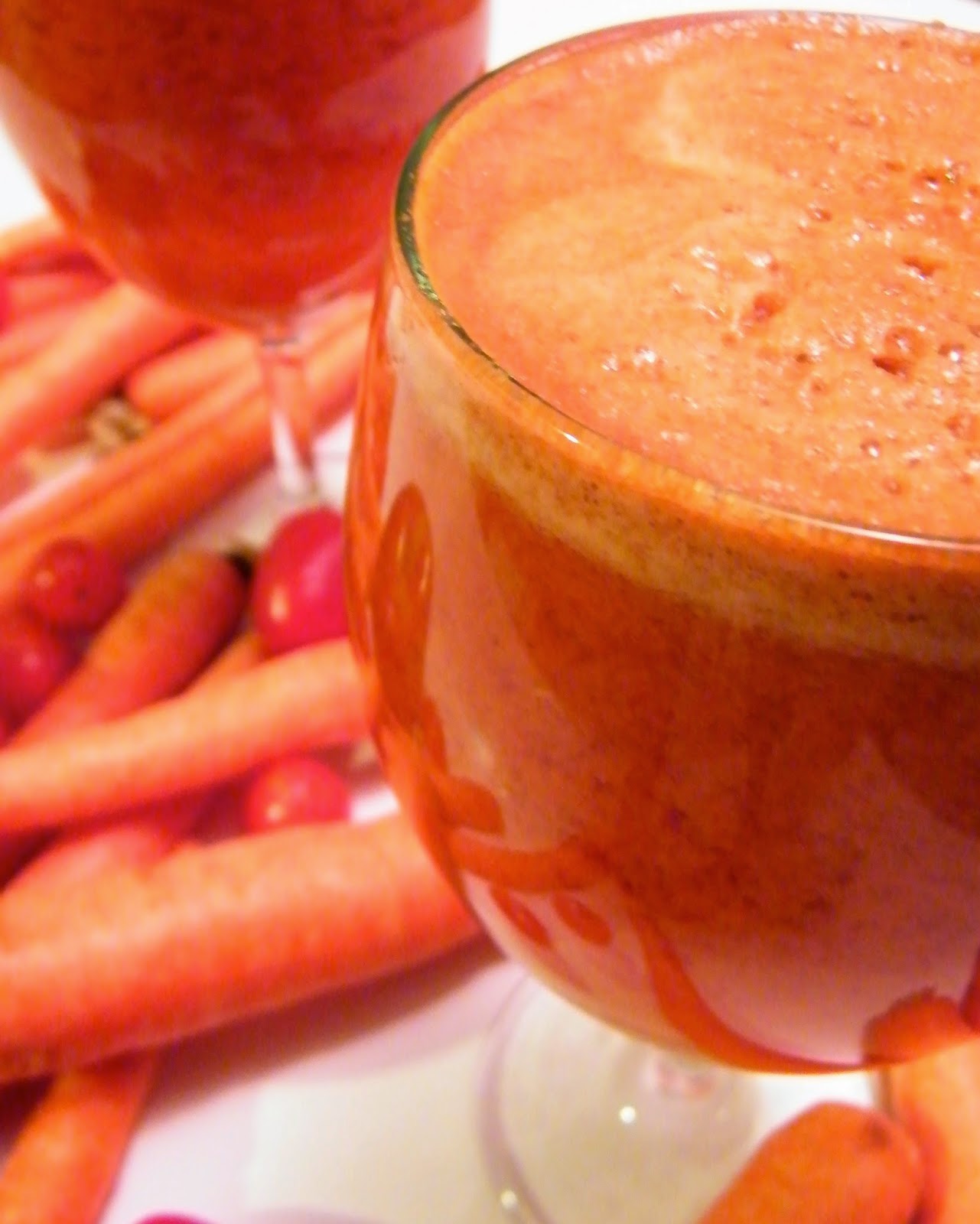
Possess a high content of vitamin A, carrots is known as a potent drug for eye health affairs, not least to the problem of cataract. You simply consume one glass of carrot juice every day and you can see the symptoms of cataracts slowly reduced.

Anise

Another way to treat cataracts is to consume Aniseed. By eating at least six grams of aniseed once every two days, you will feel a change in your eye.

Garlic

Eating raw garlic will help reduce suffering cataracts. This is because garlic contains antioxidant ingredients and antibiotics is very good in curing the disease. Quite consumption of 2-3 cloves of garlic every day to reduce and cure cataracts slowly.

[Read: Lutein and Zeaxanthin - Eye and Vision Benefits ]

Pumpkin juice

Pumpkin juice can also be used as medicine cataracts. Abortion is rich in vitamin A is good for the eyes. You may need a blender and a lot of water to make a smooth pumpkin thoroughly. The trick is to consume on a regular basis every day one glass.

Honey

Honey dripping into the eyes can also be other solutions. This technique has been used since a long time by the people of Ancient Egypt. Honey contains high antioxidant and can help prevent infection.


Natural Ways to Treat Cataracts

Spinach

By eating spinach, not only the body ternutrisi, but also the eyes. This is because a lot of spinach contain carotenoids, which can help cure cataracts. Just two servings per day will help cure the disease.

[Read: Super Spinach Smoothie ]
 
foto credit: comowater.com, karipatterson.com

Sunday, June 8, 2014

Lutein and Zeaxanthin - Eye and Vision Benefits

Lutein and zeaxanthin are compounds called xanthophylls (ZAN-thuh-fills), which are yellow pigments that occur naturally in many plants and vegetables. Though lutein is considered a yellow pigment, in high concentrations it appears orange-red.

In nature, lutein and zeaxanthin appear to absorb excess light energy to prevent damage to plants from too much sunlight, especially from high-energy light rays called blue light.

In addition to being found in many green leafy plants and colorful fruits and vegetables, lutein and zeaxanthin are found in high concentrations in the macula of the human eye, giving the macula its yellowish color. Called meso-zeaxanthin, this carotenoid is not found in food sources and appears to be created in the retina from ingested lutein.

Lutein and zeaxanthin appear to have important antioxidant functions in the body. Eye Benefits of Lutein and Zeaxanthin


It is believed that lutein, zeaxanthin and meso-zeaxanthin in the macula block blue light from reaching the underlying structures in the retina, thereby reducing the risk of light-induced oxidative damage that could lead to macular degeneration (AMD).

A number of studies have found that lutein and zeaxanthin either help prevent AMD or may slow progression of the disease:

* Research published in Nutrition & Metabolism found that a nutritional supplement containing meso-zeaxanthin, lutein and zeaxanthin effectively increased the optical density of the macular pigment in eyes of the majority of human subjects.

* Studies published in American Journal of Epidemiology, Ophthalmology and Archives of Ophthalmology found higher levels of lutein and zeaxanthin in the diet are associated with a lower incidence of AMD.

Furthermore, they say it is premature to recommend lutein or zeaxanthin supplements until large, well-controlled studies support the benefits of these xanthophylls in preventing macular degeneration.

The National Eye Institute (NEI) is sponsoring a second Age-Related Eye Disease Study (AREDS) to evaluate the effect of lutein and zeaxanthin and two omega-3 fatty acids (EPA and DHA) on the progression of advanced macular degeneration and/or moderate vision loss in people at moderate to high risk for AMD progression.

The study, called AREDS2, will evaluate the effect of a daily nutritional supplement containing 10 mg of lutein and 2 mg of zeaxanthin versus a placebo among subjects between the ages of 50 and 85 years.

* Vitamin C - 500 mg
* Vitamin E - 400 IU
* Zinc (as zinc oxide) - 80 mg


An animal study published in August 2012 shows lutein appears to protect the retina from damage due to temporary decreased blood flow and reduced oxygen supply (hypoxia).

The lutein-treated retinas exhibited increased cell viability, less tissue damage and fewer inflammatory markers, suggesting lutein may exert both an antioxidant and an anti-inflammatory effect to protect retinal cells, according to the study authors.

In addition to protecting the retina, lutein and zeaxanthin also may reduce the risk of cataracts. Recent studies published in Archives of Ophthalmology have found that healthy diets with high levels of lutein, zeaxanthin and other carotenoids were associated with a lower risk and prevalence of cataracts in women.

It remains unclear how much lutein and zeaxanthin is needed daily for adequate eye and vision protection. There are no known toxic side effects of taking too much lutein or zeaxanthin. Popular lutein and zeaxanthin supplements include:

* EyePromise Zeaxanthin (Zeavision)
* ICaps Eye Vitamin Lutein & Zeaxanthin Formula (Alcon)

* Macula Complete (Biosyntrx)

The source of lutein in many lutein supplements is marigold flowers, while for zeaxanthin it is often red peppers. If you choose a lutein and zeaxanthin supplement, make sure it's a high quality product from a reputable dietary supplement company.

Foods Containing Lutein and Zeaxanthin

The best natural food sources of lutein and zeaxanthin are green leafy vegetables and other green or yellow vegetables. Non-vegetarian sources of lutein and zeaxanthin include egg yolks. Lutein and Zeaxanthin Supplements

Because of the apparent eye and cardiovascular benefits of lutein and zeaxanthin, many nutritional companies have added these xanthophyll carotenoids to their multiple vitamin formulas. Others have introduced special eye vitamins that are predominantly lutein and zeaxanthin supplements.

sources: allaboutvision.com

Amazing Benefits Of Sapota For Skin, Hair And Health

Sapota is a further first name pro the fruit better renowned as ‘chikoo’. Sapota is a delicious calorie-rich fruit belonging to the class of fruits like mango, banana and jack fruit. Its other names are nose berry, sapodilla plum, chickoo sapote and that.

The fruit is a around or oval-shaped berry measuring around 10 centimeters in diameter and weighing 150 grams. The green fruit has a tricky go up and white pulp due to its distinguished content of latex. The latex content reduces as the fruit ripens and its flesh acquires a brown color. It has a smooth and gritty feel with a sweet and musky feeling.

Nutritional Value of Sapota:

Sapota fruit is a storehouse of nutrients, vitamins, mineral deposits, glucose, tannins and calories. Ripened sapota is a splendid source of mineral deposits like potassium, copper, iron and vitamins like folate, niacin and pantothenic acid. Sapota fruit is a splendid source of dietary fiber, which is a skilled laxative and protects the outer crust of our colon from carcinogenic toxins.

Sapota is furthermore rich in antioxidant vitamins like Vitamin C and A. Vitamin C provides resistance hostile to infection and prevents the formation of detrimental emancipated radicals while, Vitamin A helps in the promotion of idea and protection from lung and oral cavity cancers.

Health Benefits Of Sapota/Chickoo:

Sapota is lone of persons fruits which are splendid pro health above and beyond being exceptionally delicious, thankfulness to the large array of nutrients controlled in this fruit. The tasty flesh of this fruit is straightforwardly palatable and replenishes our body by as long as energy due to its distinguished content of glucose. Equally already understood, this fruit is rich in vitamins, mineral deposits and tannins. Due its sugary taste, it is widely used in shakes.]


The various shape repayment of sapota are agreed not more than:

1. Good for the Eyes

Sapota contains a high amount of Vitamin A. According to research, Vitamin A helps in improving vision even during old age. Thus, in order to get or maintain good vision, you must try eating sapota fruit.

2. Source of Energy

Sapota is rich in glucose which provides instant energy to the body. Athletes require loads of energy and hence, are recommended to eat sapota fruit.

3. Anti-inflammatory Agent

The high content of tannins makes sapota or chikoo an important anti-inflammatory agent. In other words, it helps in improving the condition of the digestive tract through prevention of diseases like esophagitis, enteritis, irritable bowel syndrome and gastritis. It also reduces inflammation by reducing any swelling and pain.

4. Prevention of Certain Cancers

The Vitamins A and B help in maintaining the health of the mucus lining of the body and the texture of the skin. The antioxidants, dietary fiber and nutrients found in sapota provide protection against cancer and tightly bind the carcinogens (toxins) to protect the mucus membrane of the colon. Vitamin A provides protection from lung and oral cavity cancers.


5. Healthy Bones

Additional amounts of calcium, phosphorus and iron are required by bones to increase their endurance. Being rich in calcium, iron and phosphorus, sapota fruit greatly helps in enhancing and strengthening the bones.

6. Relief from Constipation

Sapota fruit provides a high amount of dietary fiber (5.6/100g). Thus, it is regarded as an excellent bulk laxative. The fiber content provides relief from constipation. It supports the colons’ membrane and makes it resistant to infections.

7. Benefits during Pregnancy

Having a high dose of carbohydrates and essential nutrients, sapota is extremely beneficial for pregnant and lactating mothers. It helps in reducing weakness and other symptoms of pregnancy such as nausea and dizziness.

8. Haemostatic Properties

The sapota herb is known for its haemostatic properties i.e. stopping blood loss. Thus, this herb is beneficial in reducing bleeding in case of piles and injuries. The ground seeds can be applied as a paste for alleviating stings and insect bites.

9. Anti-viral and Anti-bacterial Properties

Due to the presence of polyphenolic antioxidants, sapota is found to have several anti-viral, anti-parasitic and anti-bacterial properties. The antioxidants prevent bacteria from entering into the human body. Vitamin C destroys the harmful free radicals whereas potassium, iron and folate, niacin and pantothenic acid facilitate proper functioning of the digestive system.

10. Anti-diarrheal

Sapota is regarded as an anti-diarrheal due to its purgative properties. A decoction made by boiling this fruit in water can cure diarrhea. It also helps in the alleviation of piles and dysentery.

11. Mental Health

Being a potent sedative, sapota fruit helps to calm the nerves and alleviate stress. Thus, it is advisable for individuals suffering from insomnia, anxiety and depression.

12. Cold and Cough

Sapota fruit is effective in keeping congestion and chronic coughs at bay by removing the phlegm and mucus from the nasal passage and respiratory tract. Thus, it helps in the alleviation of cold and coughs.

13. Kidney Stones

The crushed seeds of this fruit act as a diuretic, thus helping to expel bladder and kidney stones. It provides protection against kidney diseases as well.


14. Aids in Weight Loss

Sapota fruit indirectly helps in weight loss and prevents obesity by regulating the secretion of gastric enzymes, thereby regulating metabolism.

15. As a Detoxifying Agent

Sapota acts as a diuretic and thus helps in removing waste materials from the body through frequent urination. It prevents edemas or water retention by maintaining the water concentration within the body.

16. Tooth Cavities: The high latex content of sapota fruit can be used as a crude filling for tooth cavities.

17. Other Health Benefits

Magnesium contained in sapota is beneficial for blood and blood vessels whereas potassium helps in regulating blood pressure and promoting healthy circulation. Folate and iron prevent anemia. In short, eating sapota or chikoo fruit helps in developing body resistance against many infectious diseases. For best results, the sapota fruit should be eaten ripe.

Hair Benefits of Sapota/Chikoo:

As we all know, proper supply of nutrients to our body and proper absorption of these nutrients is inevitable for maintaining good hair health. Hair problems are a result of exposure to harmful chemicals, unhealthy lifestyle and inadequacy of certain essential nutrients in our diet. Being loaded with essential nutrients, sapota has enough to contribute towards healthy hair.

The benefits of sapota for hair are as follows.

18. Oil extracted from sapota seeds helps in moisturizing and softening your hair, thus making it more manageable. It imparts sheen and is considered excellent for curly hair. It gets absorbed easily without leaving a greasy residue.

19. The sapota seed oil nourishes the scalp by alleviating irritated skin conditions and promotes healthy hair growth. This oil is considered to be effective in treating hair-fall caused by seborrheic dermatitis.

20. The seeds of sapota can be grounded to make a paste and mixed with castor oil. This mixture should be applied on scalp and washed off the next day. This makes your hair smooth and the problem of dandruff can also be controlled.

Skin Benefits of Sapota/Chikoo:

The wide array of vitamins, minerals and antioxidants found in the sapota fruit makes it an amazing choice for healthy and glowing skin. Thus, this article will be incomplete without talking about the skin benefits of this tasty fruit.

21. Sapota fruit helps to make your skin glowing, thus reducing your requirement of skin care products to enhance your natural skin texture and complexion. The Vitamin E in this fruit moisturizes your skin, thus giving you healthy and beautiful skin. Hence, eating sapota fruit is good for the skin.

22. Sapota fruit is rich in antioxidants. Therefore, it acts as an anti-ageing agent by eradicating free radicals in the body which are responsible for enhancing the ageing process. It is also effective in reducing wrinkles.

23. The seed kernel oil of sapota is used as a skin ointment. The residue of this seed, after the extraction of oil, can be applied as a poultice on painful skin afflictions.


24. The milky sap of the sapota plant can be used to remove warts and fungal growth on the skin.

25. The combination of Vitamin A and C beautifies the skin by imparting it with a healthy glow.

sources: stylecraze.com

Thursday, June 5, 2014

Amazing Health Benefits of Potato, Reasons to Eat This

Check out these benefits of eating potatoes and you will find out why you should bring potato to your every day meal.

Potato contains Vitamin D

This vitamin is critical for your immune system and overall health. You might have heard about seasonal affective disorder, or sad as it is also known, which is linked to therefore a vitamin D deficiency. Vitamin D plays an important role in your mood, energy level and helps to build healthy bones, heart, nerves, skin and teeth.

Potato is high in vitamin B6

This Vitamin helps reduce the chemical homocysteine in your body which has been linked with degenerative diseases, as well as the prevention of heart attacks.

Potato is a good source of vitamin C

Vitamin C helps accelerate healing of wound, produces collagen which helps maintain youthful elasticity of your skin and is essential to helping you cope with stress. Vitamin C is important to help get rid of cold and flu viruses, this crucial vitamin plays an important role in tooth and bone formation, digestion and blood cell formation. It even appears to help protect your body against toxins that might be linked to cancer.


Potato contains iron

Most people are aware that a human needs the mineral iron to have adequate energy, but iron plays other important roles in your body, including white and red blood cell production, resistance to stress, proper immune functioning and the metabolizing of protein, among the others.

Potato is a good source of magnesium

Magnesium is the relaxation and anti stress mineral. It is essential for healthy artery, blood, bone; heart, muscle and nerve system.

Potato is a source of potassium

One of the important electrolytes that help regulate heartbeat and nerve signals is potassium. Like the other electrolytes, it performs several essential functions, some of that include relaxing muscle contractions, reducing swelling, protecting and controlling the activity of your kidneys.

Potato is naturally sweet

Their natural sugar is slowly released into the bloodstream, helping to ensure a balanced and regular source of energy, without the glucose spikes linked to fatigue and weight gain.

Potato is high in carotenoids

Potato’s rich orange color indicates that they are full of carotenoids such as ß carotene and other ones, which is the precursor to vitamin A in the body.

Carotenoids help strengthen your eyesight and boost your immune system. They are useful antioxidants that help ward off cancer and protect against the effects of aging.


Potato is versatile

Try roasted, puréed, steamed, baked, or grilled potatoes. You can add potatoes to stews and soups, or grill and put on top of leafy greens for a delicious salad. Enjoy grilling them with onions and red peppers for amazing sandwich or wrap ingredients. Puree potatoes and add to smoothies and baked goods.

sources: fitnea.com

Friday, May 30, 2014

Amazing Health Benefits of Indian Gooseberry

Amla enhances food absorption, balances stomach acid, fortifies the liver, nourishes the brain and mental functioning, supports the heart, strengthens the lungs, regulates elimination of free radicals, enhances fertility, helps the urinary system, increases skin health, promotes healthier hair, acts as a body coolant, flushes out toxins, increases vitality, strengthens eyes, improves muscle tone and, acts as an antioxidant. The Indian Gooseberry belongs to the Euphorbiaceae family. Both dried and fresh fruits can be consumed for their health benefits. Gooseberry is very rich in Vitamin C, and contains many minerals and vitamins like Calcium, Phosphorus, Iron, Carotene and Vitamin B Complex. Amla is also a powerful antioxidant agent. Antioxidant agents prevent and repair these damages.

Health Benefits of Amla

The health benefits of amla include the following:

Digestion

Fiber adds bulk to the stool and helps food move through the bowels and keeps your bowel movements regular. This reduces the chances of constipation, and fiber can also bulk up loose stools and reduce diarrhea. Reducing constipation can also help protect your from various gastrointestinal disorders, even colorectal cancer!

Metabolic Activity

Our enzymes can breakdown plant proteins into amino acids and reassemble them into usable proteins for our body. Protein is necessary for cellular growth, muscle development, organ health, and a wide range of other metabolic activities that we need to remain healthy and happy!
Eye Care

Vitamin A and carotenes reduce macular degeneration, night blindness, and strengthen your vision before the age-related degeneration from free radicals can occur!
Hair care

Amla is used in many hair tonics because it enriches hair growth and hair pigmentation. Eating fresh gooseberry or applying its paste on hair roots improves hair growth and color. This quality is due to the carotene content of Amla, as well as its iron content and general antioxidant capacity, which reduces hair loss by not allowing free radicals to damage hair follicles or impact the hormones that can cause premature hair loss.


Calcium Absorption

Calcium is an essential component of our bones, teeth, and nails, and also ensures that we have beautiful lustrous hair.

Menstrual Cramps

Some of the minerals and vitamins in Alma combine to make it very useful in the treatment of menstrual cramps.

Diabetes

Gooseberry contains chromium, which has a therapeutic value for diabetic patients. Indian Gooseberry stimulates the isolated group of cells that secrete the hormone insulin, thereby reducing blood sugar in diabetic patients and keeping their body balanced and healthy.

Diuretic Activity

Besides being a fruit that is very high in water, Amla is also slightly diuretic in nature. Urination helps our body eliminate unwanted toxins and excess levels of water, salts, and uric acid. Furthermore, it can help you lose weight, since up to 4% of urine is actually composed of fat.


Heart Disease

As mentioned above, gooseberry strengthens the heart muscles, so the heart pumps blood smoothly throughout the body. By reducing excess cholesterol buildup, the chromium can reduce the chances of atherosclerosis, or plaque buildup in the vessels and arteries.

Infection

Due to its antibacterial and astringent attributes, Indian Gooseberries protect the body against infection and improves the body’s immune response. It increases the white blood cell count in the body, which is the main line of defense for the immune system, since white blood cells attack and eliminate foreign toxins and substances in the bloodstream and throughout the body.

Diarrhea and Dysentery

Due to its strong cooling and laxative properties, Gooseberry is a useful component in remedies for diarrhea and dysentery. It provides great relief for gastric syndrome and hyperchlorhydria (burning sensation in the abdomen).

Improving Appetite

Consuming Gooseberry powder with butter and honey before a meal improves appetite.


Anti-Aging

Free radicals are associated with signs of aging like wrinkles and age spots. It is also used as a remedy for fever, liver disorder, indigestion, anemia, urinary problems, respiratory problems, cerebral, gastric and cardiovascular illness. Gooseberry lowers cholesterol levels, increases red blood cell production, and strengthens teeth and nails.

In other words, consume Indian Gooseberry (Amla) as a fresh fruit, juice, or dried form to see a big improvement in your health!

sources: organicfacts.net