15 Amazing Buckwheat Benefits for Skin, Hair and Health
Beauty Benefits benefits hair fall natural food sources nutrients for the skin skin care skin nutrition
Buckwheat is closely related to sorrel, rhubarb, and knotweed. Raw buckwheat is a very light tan, slightly greenish. Buckwheat hulls are pyramidal in shape and have the same size as wheat kernels. It has a very mild taste.
Buckwheat can be a suitable substitute for wheat. Light buckwheat flour is lighter in color and very fine in texture when compared with dark buckwheat flour. Dark buckwheat flour is made from grinding the seed with the hull. Dark buckwheat flour contains a higher nutritional value and fiber content.
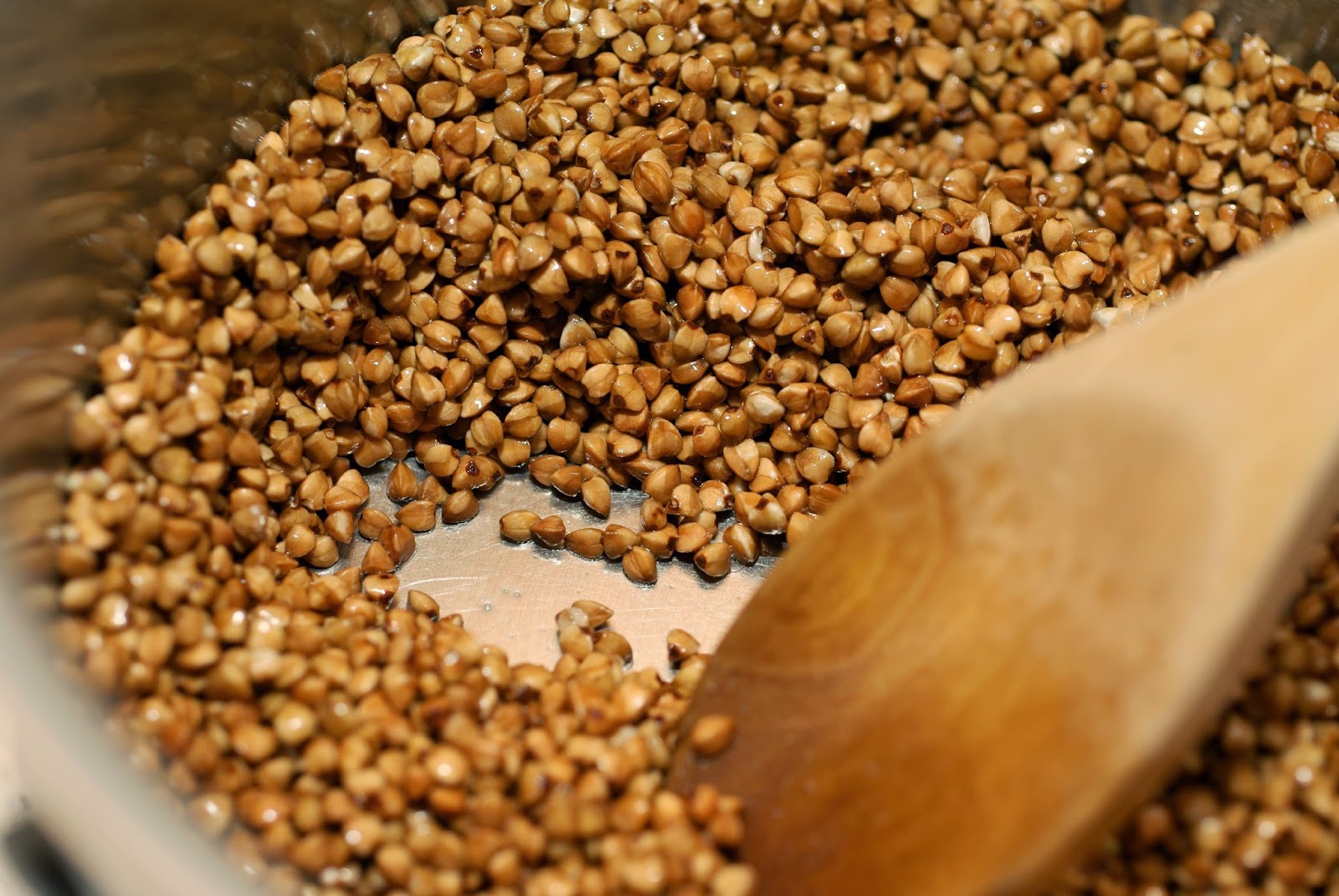
Buckwheat is a warehouse of nutrients. These grain-like seeds can be an excellent substitute for barley, rye, wheat, and oats. Buckwheat rich in starch, protein, fat, fiber, mineral composition, and significant amounts of magnesium and iron. Buckwheat also contains essential amino acids.
1. Reduces Blood Pressure:
Buckwheat rich in magnesium which is role in improving blood pressure by relaxing the blood vessels. This lowering blood pressure naturally without chemicals.
2. Aids in Weight Loss:
Whole grain buckwheat has few calories and free of cholesterol and saturated fat. It can be helpful in weight loss due to suppressing appetite, facilitating proper digestion, building lean muscle mass, and lowering blood sugar. Buckwheat diet also recommended for diseases of the cardiovascular system. [More: Tips for Reduce Cholesterol]
3. Prevention against Breast cancer:
Fiber present in buckwheat reduces the risk of breast cancer. It also lowering risk of breast cancer for pre-menopausal women who eating this foods. Lignans, the antioxidants present in this seeds, role in estrogen reception. Thus, beneficial for women during their menopause. [More: 14 Foods to Prevent Breast Cancer]
4. Lowering the risk of Diabetics:
These seeds contains a medicinal chemical which reduces haemorrhage and strengthens capillary walls, hence lowering the risk of heart attacks and fatal strokes in people with diabetes and high blood pressure. It improves micro vascular circulation and integrity in diabetics, thus preventing the loss of kidney function and damage of muscle cells and nerves.
D-chiro-inositol is required for proper conduction of insulin for treating type II diabetes. Type II diabetic patients deficient in this compound. Buckwheat also contains this compound. This is an suitable food for diabetic patients.
5. Protection against Asthma:
Consumption of buckwheat can lower the risk of childhood asthma by around 50%. Due to its high content of vitamin E and magnesium, buckwheat help in reducing the incidence of childhood asthma.
6. Cardiovascular Health:
Buckwheat rich in B vitamins, especially vitamin B6, folate, and niacin. These seeds are greatly beneficial for the cardiovascular health. These vitamins reduce the level of cholesterol in the blood. Niacin causes cholesterol removal and enhance the blood vessel strength. The minerals like magnesium, iron, phosphorus, manganese and copper help in improving blood oxygenation and reducing blood pressure. Buckwheat is greatly beneficial for people with cardiovascular problems.
7. Mental Health:
Buckwheat also quite useful to mental health. Tryptophan present in buckwheat influences mood positively, thus preventing depression.
8. Healthy Bone Structure:
Buckwheat consists of manganese which promote healthy bone structure by forming essential enzymes for assisting metabolic progression in the body and for building bones.
Magnesium is also beneficial for dental and bone health. It helps in the production of energy. It prevents the development of osteoporosis and facilitates the absorption of calcium by the body. Therefore, buckwheat contributes to healthy bone.
9. Prevents Gallstones:
Buckwheat high in insoluble fiber that can help in preventing gallstones. Insoluble fiber speeds up the movement of food, increases insulin sensitivity but lowering blood sugar and secretion of bile acids.
10. Health Benefits of Buckwheat Protein:
Buckwheat consists of a greatly high quality proteins which offers several health benefits. In combination with amino acids helps in reducing cholesterol levels, preventing diabetes and obesity too. Moreover, buckwheat proteins can reduce hypertension.
Other Benefits of Buckwheat:
Due to a good mineral list such as magnesium, phosphorus, iron, zinc, manganese, copper, and high flavonoids content, buckwheat is very effective to fix low hemoglobin, and frequent flu and colds. Being high content of vitamin B complex, buckwheat is often used to treat liver disorders.
Buckwheat helps your skin. Sufficient supply of nutrients to the body is essential for healthy and radiant skin. Being a warehouse of nutrients, buckwheats role in skin health.
11. Makes Skin Glow:
Buckwheat consists of magnesium which relaxing the blood vessels. Therefore, improving blood circulation.
Magnesium contained in buckwheat has a relaxing effect on the blood vessels, therefore improving blood circulation. This leads to a glowing skin.

12. Prevents Ageing:
Buckwheat rich in flavonoids and antioxidants, which prevent premature skin ageing. Buckwheat rich in polyunsaturated fatty acids which aid to enhance skin’s elasticity.
13. Natural Lotion:
Buckwheat really helps in skincare. Buckwheat contains rutin which aid against skin damage caused by the sun due to its anti-inflammatory properties. While flavanoids helps to giving it strong anti-aging and block free radicals. Therefore, it can be regarded as a natural suntan lotion.
In addition, rutin helps our body maintain skin collagen and properly utilize vitamin C, which essential for healthy skin.
There are several hair problems like hair thinning, hair fall, dandruff, alopecia and split ends. Sufficient supply of important nutrients be required for maintaining healthy and strengthening the hair follicles. Buckwheat is a storehouse of essential nutrients that are beneficial for hair health.

14. Improves Hair Health:
Vitamin B6 is very important for hair growth. Buckwheat is a storehouse of vitamin B6.
15. Helps Hair Growth:
Buckwheat consists of carbohydrates which beneficial for proper growth of hair. Vitamin A, zinc, and B-complex vitamins present in this seeds making it highly conducive for hair growth. [More: Essential Vitamins and Supplements for Hair Growth]
Buckwheat Nutritional Value:
Buckwheat is a storehouse of nutrients that contains various kinds of nutrients consists of vitamins, carbohydrates, minerals, soluble and insoluble fiber, sugar, sodium and amino acids. It also contains minerals, flavonoids, quercitin, and essential fatty acid which is important for overall health.
It contains minerals like manganese, magnesium and copper. Moreover, it has two health-promoting flavonoids-rutin and quercitin and all the eight essential amino-acids. Buckwheat is also a great source of an essential fatty acid called Alpha-Linolenic acid which is very important for overall health.
Nutrition Facts for Buckwheat

source: stylecraze.com
Buckwheat can be a suitable substitute for wheat. Light buckwheat flour is lighter in color and very fine in texture when compared with dark buckwheat flour. Dark buckwheat flour is made from grinding the seed with the hull. Dark buckwheat flour contains a higher nutritional value and fiber content.
Amazing Health Benefits of Buckwheat
Buckwheat is a warehouse of nutrients. These grain-like seeds can be an excellent substitute for barley, rye, wheat, and oats. Buckwheat rich in starch, protein, fat, fiber, mineral composition, and significant amounts of magnesium and iron. Buckwheat also contains essential amino acids.
photo by superfoods.gr
1. Reduces Blood Pressure:
Buckwheat rich in magnesium which is role in improving blood pressure by relaxing the blood vessels. This lowering blood pressure naturally without chemicals.
2. Aids in Weight Loss:
Whole grain buckwheat has few calories and free of cholesterol and saturated fat. It can be helpful in weight loss due to suppressing appetite, facilitating proper digestion, building lean muscle mass, and lowering blood sugar. Buckwheat diet also recommended for diseases of the cardiovascular system. [More: Tips for Reduce Cholesterol]
3. Prevention against Breast cancer:
Fiber present in buckwheat reduces the risk of breast cancer. It also lowering risk of breast cancer for pre-menopausal women who eating this foods. Lignans, the antioxidants present in this seeds, role in estrogen reception. Thus, beneficial for women during their menopause. [More: 14 Foods to Prevent Breast Cancer]
4. Lowering the risk of Diabetics:
D-chiro-inositol is required for proper conduction of insulin for treating type II diabetes. Type II diabetic patients deficient in this compound. Buckwheat also contains this compound. This is an suitable food for diabetic patients.
5. Protection against Asthma:
Consumption of buckwheat can lower the risk of childhood asthma by around 50%. Due to its high content of vitamin E and magnesium, buckwheat help in reducing the incidence of childhood asthma.
6. Cardiovascular Health:
Buckwheat rich in B vitamins, especially vitamin B6, folate, and niacin. These seeds are greatly beneficial for the cardiovascular health. These vitamins reduce the level of cholesterol in the blood. Niacin causes cholesterol removal and enhance the blood vessel strength. The minerals like magnesium, iron, phosphorus, manganese and copper help in improving blood oxygenation and reducing blood pressure. Buckwheat is greatly beneficial for people with cardiovascular problems.
7. Mental Health:
Buckwheat also quite useful to mental health. Tryptophan present in buckwheat influences mood positively, thus preventing depression.
8. Healthy Bone Structure:
Buckwheat consists of manganese which promote healthy bone structure by forming essential enzymes for assisting metabolic progression in the body and for building bones.
Magnesium is also beneficial for dental and bone health. It helps in the production of energy. It prevents the development of osteoporosis and facilitates the absorption of calcium by the body. Therefore, buckwheat contributes to healthy bone.
9. Prevents Gallstones:
Buckwheat high in insoluble fiber that can help in preventing gallstones. Insoluble fiber speeds up the movement of food, increases insulin sensitivity but lowering blood sugar and secretion of bile acids.
10. Health Benefits of Buckwheat Protein:
Buckwheat consists of a greatly high quality proteins which offers several health benefits. In combination with amino acids helps in reducing cholesterol levels, preventing diabetes and obesity too. Moreover, buckwheat proteins can reduce hypertension.
Other Benefits of Buckwheat:
Due to a good mineral list such as magnesium, phosphorus, iron, zinc, manganese, copper, and high flavonoids content, buckwheat is very effective to fix low hemoglobin, and frequent flu and colds. Being high content of vitamin B complex, buckwheat is often used to treat liver disorders.
Buckwheat Benefits for Skin
Buckwheat helps your skin. Sufficient supply of nutrients to the body is essential for healthy and radiant skin. Being a warehouse of nutrients, buckwheats role in skin health.
11. Makes Skin Glow:
Buckwheat consists of magnesium which relaxing the blood vessels. Therefore, improving blood circulation.
Magnesium contained in buckwheat has a relaxing effect on the blood vessels, therefore improving blood circulation. This leads to a glowing skin.
Photo by downloadjpeg.com
12. Prevents Ageing:
Buckwheat rich in flavonoids and antioxidants, which prevent premature skin ageing. Buckwheat rich in polyunsaturated fatty acids which aid to enhance skin’s elasticity.
13. Natural Lotion:
Buckwheat really helps in skincare. Buckwheat contains rutin which aid against skin damage caused by the sun due to its anti-inflammatory properties. While flavanoids helps to giving it strong anti-aging and block free radicals. Therefore, it can be regarded as a natural suntan lotion.
In addition, rutin helps our body maintain skin collagen and properly utilize vitamin C, which essential for healthy skin.
Hair Benefits of Buckwheat
There are several hair problems like hair thinning, hair fall, dandruff, alopecia and split ends. Sufficient supply of important nutrients be required for maintaining healthy and strengthening the hair follicles. Buckwheat is a storehouse of essential nutrients that are beneficial for hair health.
photo by tamilnetonline.com
14. Improves Hair Health:
Vitamin B6 is very important for hair growth. Buckwheat is a storehouse of vitamin B6.
15. Helps Hair Growth:
Buckwheat consists of carbohydrates which beneficial for proper growth of hair. Vitamin A, zinc, and B-complex vitamins present in this seeds making it highly conducive for hair growth. [More: Essential Vitamins and Supplements for Hair Growth]
Buckwheat Nutritional Value:
Buckwheat is a storehouse of nutrients that contains various kinds of nutrients consists of vitamins, carbohydrates, minerals, soluble and insoluble fiber, sugar, sodium and amino acids. It also contains minerals, flavonoids, quercitin, and essential fatty acid which is important for overall health.
It contains minerals like manganese, magnesium and copper. Moreover, it has two health-promoting flavonoids-rutin and quercitin and all the eight essential amino-acids. Buckwheat is also a great source of an essential fatty acid called Alpha-Linolenic acid which is very important for overall health.
Nutrition Facts for Buckwheat
Photo by weightchart.com
source: stylecraze.com


